Introduction
In the realm of modern medical care, one term that attracts attention is PEG feeding. This approach of dietary assistance has changed just how we approach nutritional demands for people who are incapable to consume food orally. In this article, we will dig deep into the world of Percutaneous Endoscopic Gastrostomy (PEG) feeding, exploring its relevance, techniques, and ramifications for both individuals and health care professionals.
Understanding what PEG feeding entails is important for caregivers, doctors, and families alike. The capacity to provide nourishment effectively can significantly improve an individual's lifestyle. This guide aims to offer comprehensive understandings into PEG feeding, underscoring why it matters in today's medical care landscape.
What is PEG Feeding? Understanding Its Importance in Modern Healthcare
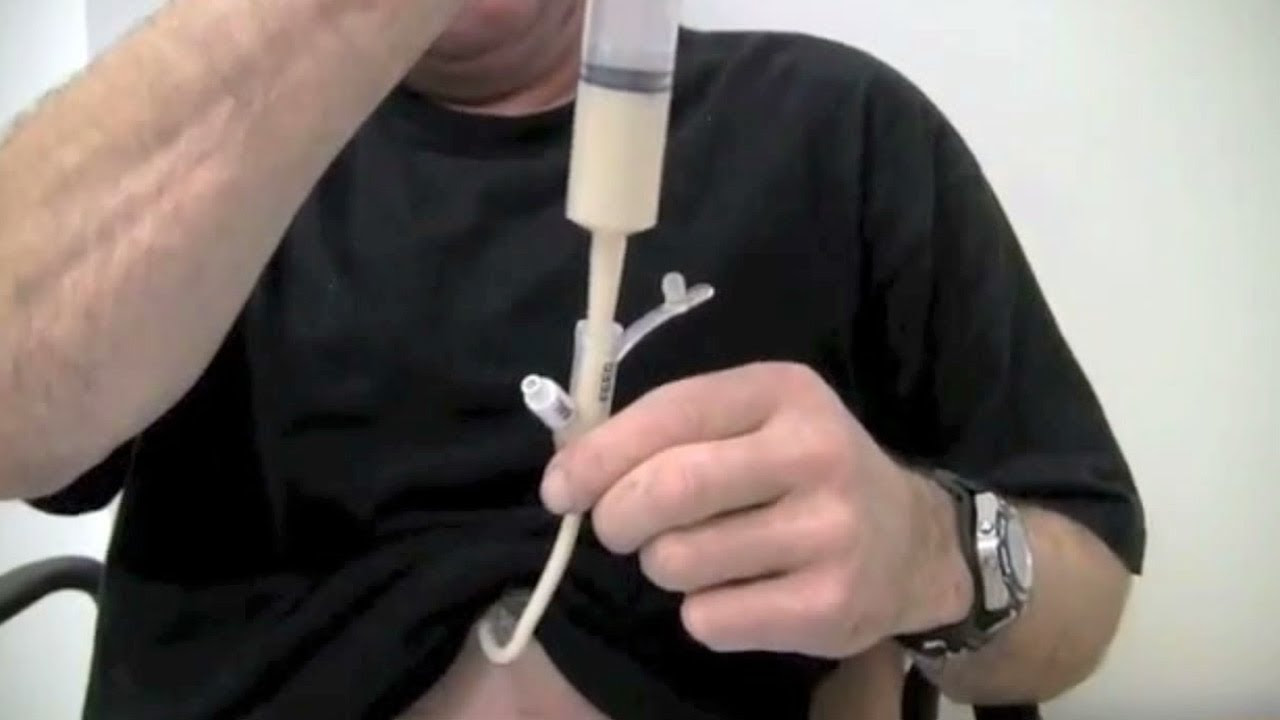
PEG feeding involves putting a tube through the abdominal wall straight into the belly utilizing an endoscopic procedure. This strategy enables people that can not eat by mouth-- as a result of problems like stroke, neurological conditions, or head and neck cancers cells-- to obtain important nutrients directly.
How Does PEG Feeding Work?
The procedure begins with an endoscopy performed by an experienced gastroenterologist. A versatile tube with a camera is inserted via the mouth and down the esophagus to envision the tummy's inside. A little incision is made on the abdomen where the PEG tube will be placed.
The Treatment Tips:
Preparation: The patient has to quick for a number of hours before the procedure. Sedation: A sedative or regional anesthesia is provided to decrease discomfort. Endoscopy: The physician makes use of an endoscope to find the optimum site for tube placement. Tube Insertion: A needle pierces the abdominal wall surface; a guide wire assists position the PEG tube via this channel. Securing the Tube: As soon as in place, it is protected with a reinforce on both sides to stop displacement. Post-Procedure Care: Individuals are kept an eye on for any kind of issues or indications of infection.Indications for PEG Feeding
PEG feeding isn't just about supplying nourishment; it plays an essential role in different medical situations:
- Neurological Conditions: People with conditions like ALS or severe stroke might shed their capacity to swallow safely. Cancer Treatments: People undergoing radiation treatment or radiation treatment may experience swallowing difficulties. Chronic Illnesses: Conditions such as dementia or innovative Parkinson's disease commonly require alternative feeding methods.
Benefits of PEG Feeding
Enhanced Nutritional Support
One of the most significant advantages of PEG feeding is its capability to provide essential nutrients directly into the belly without needing oral consumption. This guarantees that individuals preserve their caloric and nutrition levels even when they can not consume normally.
Improved Top quality of Life
Patients getting appropriate nutrition through PEG tubes typically report boosted energy levels, stamina, and total wellness. Being nourished appropriately can help with healing from health problems and improve day-to-day functioning.
Reduction in Goal Risks
For those with swallowing difficulties, there's a high threat of aspiration pneumonia-- when food goes into the lungs rather than being ingested properly. With PEG feeding, this threat decreases substantially considering that nourishment bypasses dental consumption altogether.
Flexibility in Nutritional Planning
Healthcare companies can customize enteral solutions based on individual nutritional demands and choices-- varying from high-protein diets to specialized formulations for details medical conditions.
Challenges Related to PEG Feeding
Despite its benefits, there are obstacles connected with PEG feeding that have to be addressed:
Potential Complications
Like any type of medical treatment, inserting a PEG tube can cause complications such as:
- Infection at insertion sites Tube dislodgment Blockages because of inappropriate use or formula issues
Psychosocial Considerations
Patients might struggle psychologically with having a tube positioned in their stomachs. Supplying mental assistance is essential in these situations to guarantee psychological health together with physical health.

Caregiver Education Needs
Proper training in managing PEG tubes is crucial for caregivers and relative in charge of carrying out feedings in your home. Programs like NDIS peg feeding training can help outfit them with necessary skills.
Training Opportunities for Health care Professionals
Given the intricacies bordering enteral nutrition support, specialized training programs have emerged:

Enteral Feeding Assistance Course
These training courses offer comprehensive understanding regarding enteral nourishment principles, tube administration techniques, and fixing common problems related to feeding tubes.
PEG Training Courses
Courses made especially for registered nurses ensure they are furnished with useful abilities associated with tube insertion, care methods, and individual education and learning relating to enteral nourishment support.
Topics Covered May Include:
- Anatomy relevant to tube placement Techniques for secure insertion Management post-insertion
Importance of Appropriate Training: NDIS Peg Feeding Training Overview
Professional training plays a necessary role not only in guaranteeing safety yet likewise in fostering self-confidence among those associated with client treatment:
Key Parts Covered:
Understanding nutritional requirements customized for each and every person's condition. Practical abilities pertaining to managing complications. Person education and learning on preserving hygiene and avoiding infections around insertion sites.By taking part in comprehensive programs like NDIS peg feeding training or enteral feeding support programs, professionals become proficient at supplying top notch treatment while decreasing dangers associated with PEG feedings.
How To Care For A Person With A PEG Tube? Best Practices Explained!
Caring for a person reliant on a PEG tube needs persistance:
Daily Care Directions:
Inspect insertion sites frequently for signs of infection (redness/swelling). Tidy around insertion sites gently making use of saline solution. Ensure correct flushing of tubes prior to and after feedings making use of sterilized water. Display input/output logs faithfully to make sure sufficient hydration/nutrition levels are kept throughout each day!Following these finest techniques will not just make sure optimum feature yet also assist prevent potential difficulties developing from improper treatment techniques!
Frequently Asked Inquiries (FAQs)
Q1: What kinds of solutions can be utilized with peg feedings?
A variety of enteral formulas exist customized towards various nutritional requirements ranging from lactose-free choices appropriate for lactose-intolerant people throughout high-protein supplements developed specifically resolving malnourishment concerns encountered by chronic ailment sufferers!
Q2: For how long does a PEG tube last?
Typically talking; if cared-for appropriately within method standards laid out by healthcare experts-- a well-kept peg-tube can last anywhere between 6 months up-to 2 years depending upon individual circumstances bordering every distinct case!
Q3: Can I carry out medicine with a secure tube?
Absolutely! Nonetheless; constantly consult your doctor before doing enteral feeding training so since particular drugs call for details prep work while others may require dilution prior-to-administration!
Q4: What ought to I do if my client experiences discomfort?
If experiencing pain/discomfort seek instant support from certified medical employees-- they're educated successfully recognizing major signs and symptoms which can suggest underlying issues calling for urgent intervention!
Q5: Exist alternatives available besides utilizing peg-feeding?
Yes! Alternatives consist of NG-tubes (nasogastric) temporary options intended primarily helping briefly up until conditions improve permitting typical intake bring back after that-- but long-term solutions suggested stay using appropriate means via placing long-term devices such as those reviewed earlier here concentrating mainly resolving persistent situations requiring continuous nutritional assistance indefinitely!
Q6: Is regular follow-up required after positioning a Peg-Tube?
Absolutely! Regular follow-ups enable service providers keep track of progress review effectiveness adjust dietary plans accordingly making certain long-term success accomplishing desired health end results eventually profiting people needing reputable ongoing assistance system executed throughout therapy procedures established initially upon positioning making certain every little thing continues to be aligned accordingly moving on sustainably over time!
Conclusion
In recap; understanding what is peg feeding holds profound importance within modern health care paradigms today-- it provides vital insight right into efficient techniques helping with nutrition helping countless people dealing with difficulties coming from oral consumption restrictions posed due different clinical issues afflicting them on a regular basis!
Through executing appropriate techniques combined ample caregiver training consisting of interesting sources readily available through institutions offering structured instructional possibilities related enteral-nutrition monitoring-- we lead pathways boosting lives promoting overall wellbeing ensuring people receive essential nutrition whenever needed most properly possible keeping them thriving longer satisfying lives ahead eventually leading much healthier futures down road in advance full circle back towards encouraging individuals restore freedom once again reclaim control over their dietary choices henceforth living enriched satisfied way of livings moving forward!