Introduction
In the realm of medical care, particularly for people calling for nutritional assistance, comprehending the devices and applications of PEG (Percutaneous Endoscopic Gastrostomy) tubes is essential. These tubes act as a lifeline for those unable to consume food by mouth because of different medical problems. Whether you're a medical care specialist, caregiver, or member of the family, getting insights into PEG tubes can encourage you to provide far better treatment and support.

In this article, we will dive deep into whatever you require to find out about PEG tubes, exploring the nuances of enteral feeding, training courses offered, and the crucial duty these tubes play in patient care. We'll cover whatever from what PEG feeding is to just how it's carried out in a clinical setting. If you're seeking information on ndis peg feeding training, enteral feeding support course, or peg training for nurses, you have actually landed in the best place!
What is PEG Feeding?
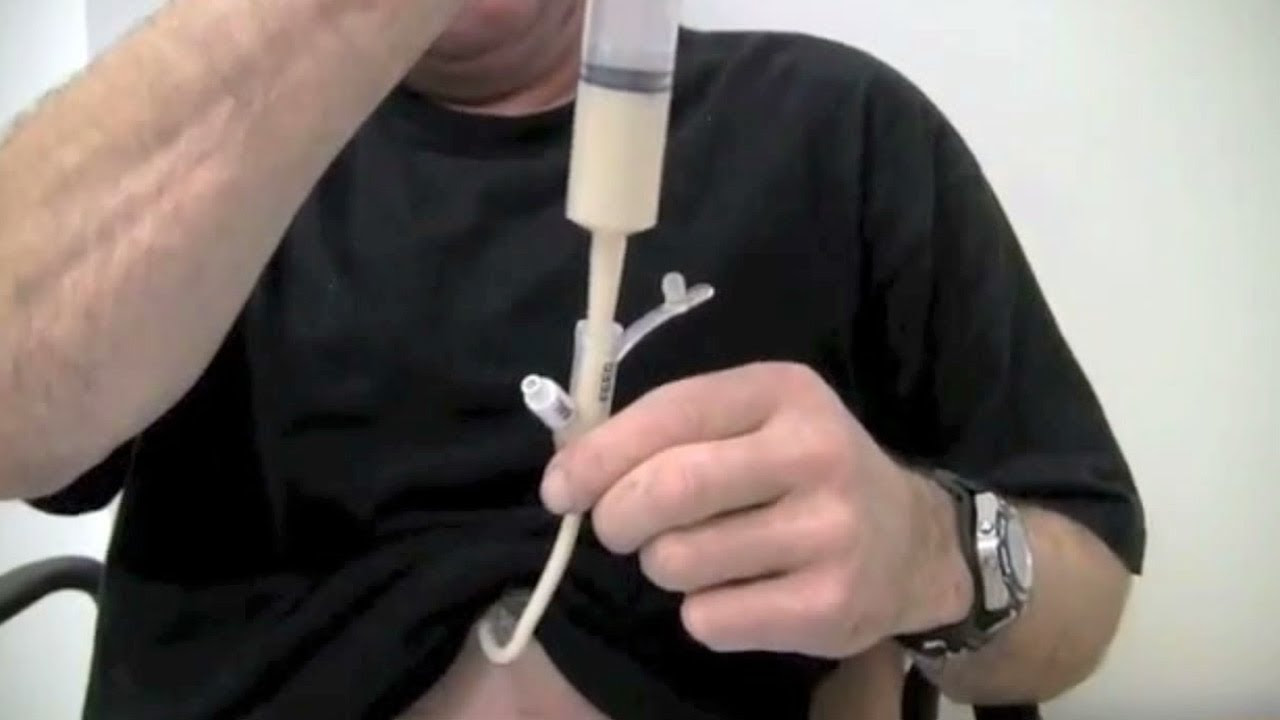
PEG feeding refers to the management of nutrition with a tube inserted directly into the stomach. This technique is necessary for individuals who can not eat by mouth because of different factors such as neurological problems, head and neck cancers cells, or serious swallowing difficulties.
Understanding Enteral Nourishment Support
Enteral nutrition support through PEG tubes ensures that people obtain appropriate nourishment even when they can not consume food traditionally.
- Benefits of Enteral Nutrition: Reduced risk of aspiration. Maintains gut integrity. Provides vital nutrients directly.
How are PEG Tubes Inserted?
The insertion treatment involves endoscopy. A versatile tube is directed with the abdominal wall right into the tummy under neighborhood anesthesia. This minimally invasive strategy usually permits quicker recovery times compared to traditional medical methods.
Everything You Required to Learn About PEG Tubes: Insights from Our Training
Training on PEG tube http://jareddcpe367.theburnward.com/browsing-the-world-of-enteral-nourishment-an-overview-for-support-employees monitoring is vital for healthcare providers. Recognizing how to care for these tubes guarantees client safety and optimum nourishment delivery.
Types of PEG Tubes
There are different kinds of PEG tubes tailored for details patient needs:
- Standard PEG Tube: Most typical; allows long-lasting feeding. Low-Profile Stomach Tube (LPGT): Less obtrusive; suitable for energetic patients.
Choosing the Right Tube
The selection depends upon factors like duration of feeding demands and patient way of life.
The Value of Training in PEG Feeding
Training is crucial not simply for putting and managing PEG tubes but also for understanding possible difficulties and troubleshooting concerns that might arise.

NDIS PEG Feeding Training
For experts working with National Handicap Insurance Coverage Scheme (NDIS) clients in Australia, specialized training courses are available concentrating on enteral nutrition support particular to individuals with disabilities.
Course Overview
- Duration: Typically spans numerous days. Content: Covers practical abilities and academic understanding needed for efficient tube management.
Enteral Feeding Assistance Courses Available
Healthcare professionals need to be equipped with understanding about enteral feeding via structured training courses that cover both technological skills and patient communication techniques.
Key Components of an Enteral Feeding Support Course
Anatomy & Physiology Related to Feeding
Comprehending just how nutrition goes into the body aids caretakers supply much better support.
Feeding Techniques
Discover various methods to provide feeds based upon private client needs.
Monitoring & Managing Complications
Determining indicators of possible issues early can lead to much better outcomes.
Patient Education and learning & Interaction Skills
Outfitting clients and family members with essential info promotes freedom and confidence.
PEG Training Training courses: That Must Attend?
Courses designed especially for registered nurses and support workers focus on giving them with comprehensive expertise pertaining to enteral feeding strategies making use of PEG tubes.
PEG Training for Nurses
Nurses play an essential duty in person treatment entailing PEG feeding. Specialized training outfits them with skills needed for putting tubes securely and managing daily feedings effectively.
Skills Acquired
- Assessment prior to tube insertion. Techniques associated with tube placement. Post-insertion care procedures including cleansing routines.
PEG Training for Support Workers
Support employees usually assist people during their recuperation at home or throughout recovery centers. Hence, they as well call for appropriate training focused on:
Basic handling procedures. Recognizing indicators of distress or complications. Providing emotional support along with nutritional assistance.Peg Feeding Certification: Confirming Your Skills
Completing a recognized peg feeding training course normally finishes in getting a certificate that verifies your competence in this area-- a significant asset whether you're going after a profession within health care or enhancing your existing qualifications.
Benefits of Obtaining a Peg Feeding Certificate
- Enhances employability within retirement home or hospitals. Builds trust with individuals and families regarding your competence.
Understanding Enteral Feeding Challenges
Despite its benefits, enteral feeding via PEG can come with challenges, which necessitate continuous education and understanding among medical care providers.
Common Problems Associated with PEG Tubes
Infection at the insertion site Clogged feeding tube Displacement of the tubeRecognizing Indications Early
Quick acknowledgment can bring about timely treatments which dramatically improve patient safety.
FAQs Regarding Peg Feeding
1. What are the key indicators for utilizing a PEG tube?
PEG tubes are largely indicated when clients have ingesting difficulties as a result of neurological conditions, head/neck cancers, or extended unconsciousness calling for long-lasting nutritional support.
2. Exactly how often should a caretaker inspect the placement of a PEG tube?
Caregivers should routinely check placement before each feed-- at least once per change-- to ensure correct positioning within the stomach.
3. Can dietary choices be observed with enteral feeds?
Yes! Individualized formulas can accommodate nutritional restrictions as ordered by dietitians based on individual wellness requirements or cultural preferences.
4. What ought to I do if my client's tube becomes clogged?
Flush with cozy water first; if that does not function, use specialized unclogging services recommended by health care specialists after speaking with relevant protocols.
5. Are there any kind of nutritional restrictions while making use of a PEG tube?
Consultation with a dietitian is advisable; nevertheless, most clients can delight in varied diet regimens if created correctly through enteral formulas made particularly for their needs.
6. Exactly how do I manage emotional worries associated with having a PEG tube?
Open communication regarding issues aids minimize stress and anxiety; therapy services might additionally be helpful along with instructional resources supplied by health specialists involved in treatment plans.
Conclusion
Understanding whatever you need to understand about fix tubes is not merely a scholastic exercise; it has to do with boosting lives through reliable dietary support techniques individualized according to individual demands. From acknowledging what peg feeding requires via thorough training programs like ndis peg feeding training and enteral feeding courses, we develop frameworks that promote not just physical wellness however total well-being too!
As we continue advancing our data base around methods like peg feeding, it's essential that we stay fully commited-- through education-- to guaranteeing secure practices that improve top quality life experiences for all involved in these complex yet gratifying processes!